Showing posts with label New Orleans. Show all posts

2026/03/06

1850s The Rio Grande Trade Triangle

The Rio Grande Trade Triangle (1850s)

1. Brazos Santiago — The Ocean Gateway

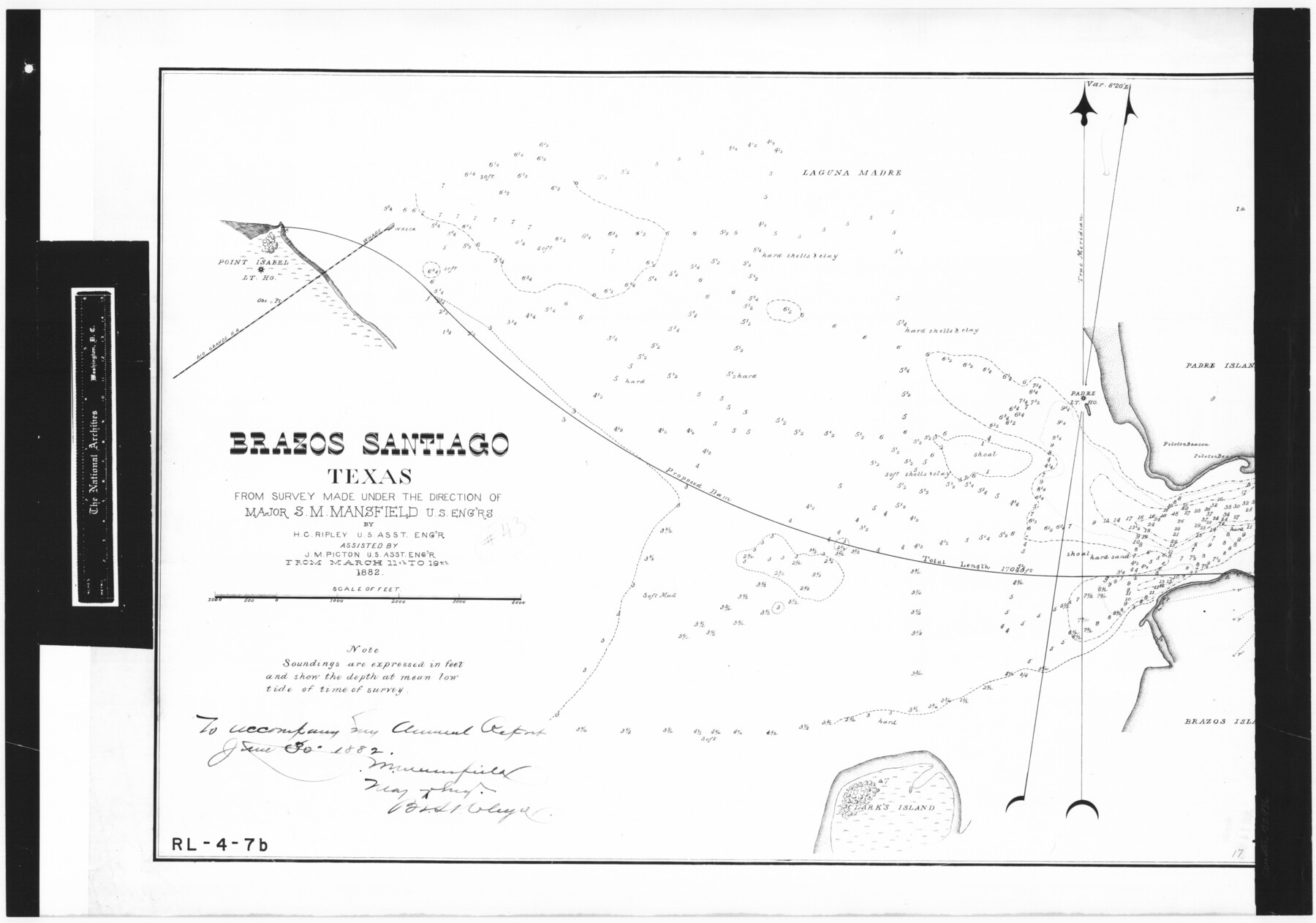
In the early 1850s the Rio Grande economy revolved around a simple but powerful triangle. Ocean ships entered through Brazos Santiago, merchants handled the cargo at Brownsville and Matamoros, and mule trains carried the goods deep into northern Mexico to cities like Monterrey. At the center of this system stood Charles Stillman, quietly building the network that would later make him one of the most influential merchants on the frontier.

The Stillman letters quietly reveal something historians sometimes miss:

nearly all Rio Grande commerce in the early 1850s revolved around three geographic points.

Once you map them, you understand why Charles Stillman built his operations exactly where he did.

Image

Before deep-water ports existed in South Texas, Brazos Santiago Pass was the main entrance from the Gulf of Mexico.

Ocean-going vessels could not sail directly up the Rio Grande, so they:

  1. Anchored offshore at Brazos Santiago

  2. Offloaded cargo onto lighters or shallow-draft vessels

  3. Sent goods upriver to Brownsville and Matamoros

Image

This is why letters mention:

  • crossing the bar

  • storms near the mouth of the river

  • steamer transfers

Without Brazos Santiago, the entire trade system collapsed.
Image


2. Brownsville / Matamoros — The Commercial Hub

This twin-city zone became the financial and trading center of the region.

Here:

  • American merchants operated on the Brownsville side

  • Mexican merchants operated in Matamoros

Goods moved across the river constantly.

Merchants like Stillman handled:

  • import goods from the United States

  • export goods from Mexico

  • banking and credit

  • customs brokerage

  • freight forwarding

This is why so many letters in your collection are addressed simply to:

“Charles Stillman – Brownsville”

He was the node where everything passed through.


3. Monterrey — The Interior Market

Image

Monterrey was the largest commercial center in northern Mexico.

Merchants there purchased:

  • imported textiles

  • tools

  • manufactured goods

  • luxury items from Europe and the U.S.

But these goods reached Monterrey only through the Rio Grande route:

Ocean ships → Brazos Santiago → Brownsville/Matamoros → wagon trains → Monterrey.

Your Marín Pérez y Hermanos letter is a perfect example of this network in action.

Image


How the Triangle Worked

Think of it like this:

           MONTERREY
           (interior market)
                ▲
                │ mule trains / wagons
                │
BROWNSVILLE / MATAMOROS
 (merchant hub & finance)
                ▲
                │ river steamers / barges
                │
        BRAZOS SANTIAGO
        (ocean shipping)

Every shipment had to pass through all three points.


Why Brownsville Was Founded Exactly There

The location chosen by Stillman had three advantages:

1️⃣ Direct access to the Rio Grande navigation route
2️⃣ Close enough to Brazos Santiago for ocean trade
3️⃣ Positioned opposite Matamoros, Mexico’s existing commercial city

It was the perfect choke point for trade.


What the Stillman Letters Prove

Charles Stillman documents show each side of this triangle operating:

LetterNetwork shown
Phelps lettersGulf shipping and New Orleans trade
Felipe Peñaranch economy around Matamoros
Marín PérezMonterrey merchant remittances

Together they reveal the entire commercial ecosystem of the Rio Grande frontier.


What the letters and early records reveal is that Stillman’s dominance did not come from one shipment or one partnership. It came from one strategic decision he made right after the Mexican–American War.

That decision shaped the entire Rio Grande trade system.

When the Mexican–American War ended in 1848, the Rio Grande became an international border overnight. Many merchants stayed in Matamoros or moved to New Orleans. Charles Stillman chose a different strategy. He placed himself exactly where the two economies met. From that point forward nearly every shipment entering the Rio Grande trade triangle—by sea, river, or wagon—passed within reach of his warehouses in Brownsville.

The Decision That Made the Trade Triangle Work

(1848–1849)

After the war ended with the Treaty of Guadalupe Hidalgo, the Rio Grande suddenly became an international boundary.

Most merchants made one of two choices:

  • operate in Matamoros (Mexico)

  • operate in New Orleans (U.S. shipping center)

But Charles Stillman did something different.

He positioned himself exactly on the new border, at the site that became Brownsville.


Why This Was Brilliant

Stillman’s location allowed him to control all three flows of trade at once.

1️⃣ International trade (United States ↔ Mexico)

American goods:

  • textiles

  • tools

  • manufactured goods

arrived from New Orleans and were sold across the river in Matamoros and northern Mexico.

Mexican goods:

  • hides

  • silver

  • livestock

moved the opposite direction.

Because Stillman operated on the U.S. side, he controlled the American side of customs and finance.


2️⃣ River transport

Stillman placed his operations on the navigable section of the Rio Grande.

This allowed goods to move:

Brazos Santiago → river craft → Brownsville warehouses.

Merchants farther inland could not do this efficiently.


3️⃣ Cross-border finance

The 1850s letters posted tell us

Merchants in Monterrey and Matamoros:

  • remitted funds to Stillman

  • asked him to draw drafts

  • trusted him to negotiate payments

He essentially became a frontier banker.


The Overlooked Advantage

There was another factor that made this work.

Stillman arrived before a banking system existed in South Texas.

So merchants needed someone who could:

  • store specie

  • extend credit

  • handle drafts

  • pay freight

  • negotiate insurance

Stillman’s firm did all of this.


The Result

By the early 1850s Stillman had become the central commercial node in the region.

The triangle now worked like this:

Brazos Santiago → Brownsville → Monterrey

Every shipment passed through his orbit.

That’s why in many letters the address simply reads:

“Charles Stillman – Brownsville.”

No street.
No firm name.

Everyone in the trade network knew where that meant.


Why This Matters for Stillman Letters Series

Most popular history focuses on Stillman during the Civil War cotton trade.

But your letters show that the real story begins earlier.

By 1853, he already controlled:

  • shipping coordination

  • cross-border trade

  • financial remittances

  • ranch supply networks

The Civil War merely supercharged a system he had already built.

Long before cotton made Brownsville famous during the Civil War, three other commodities quietly sustained the Rio Grande trade. Tobacco from Kentucky, mule caravans from Texas ranch country, and hides from northern Mexico moved through Stillman’s warehouses year after year. These humble goods built the commercial network that later carried millions of dollars in cotton through the same frontier gateway.

The Three Commodities That Dominated Rio Grande Trade Before Cotton

1. Tobacco

One of the most surprising commodities in the early Stillman letters is tobacco.

Large quantities of tobacco moved through a chain that looked like this:

Kentucky → Mississippi River → New Orleans → Brazos Santiago → Brownsville / Matamoros → Monterrey and interior Mexico.

Why tobacco?

Northern Mexico had strong demand, and importing it through the Rio Grande was often cheaper than bringing it overland from Mexican ports.

The tobacco trade required:

  • ocean shipping

  • river transport

  • warehousing

  • cross-border credit

All services Stillman provided.

This trade helped establish his commercial network years before cotton profits appeared.

Several letters — particularly those written by J. H. Phelps — hint at the booming mule and horse trade.

2. Mules and Horses

These animals were essential for frontier commerce.

They powered:

  • freight wagons

  • pack trains into the Mexican interior

  • ranch operations

  • military logistics

Prices around $100 per mule were mentioned in the correspondence — a very substantial amount in the 1850s.

In many ways, the animal trade was the transportation infrastructure of the frontier economy.

Without mules, the Rio Grande trade triangle could not function.

3. Hides and Livestock Products

Ranchers on both sides of the Rio Grande produced large numbers of cattle.

Before the famous Texas cattle drives began, the most valuable export was often the hide rather than the meat.

Hides were used in the industrializing world to make:

  • leather goods

  • harness equipment

  • machinery belts

Merchants purchased hides from ranchers like Felipe Peña, consolidated them in border warehouses, and shipped them through Gulf ports.

This trade linked rural ranches to the international economy.


Why Cotton Later Took Over

By the late 1850s and especially during the Civil War, cotton exploded as the dominant commodity because:

  • southern ports were blockaded

  • Texas cotton could move through Mexico

  • European demand was enormous

But cotton did not create the trade network.

It simply flowed through a system that had already been built by earlier commodities.


What the Letters Really Show

The Stillman papers reveal an economy that depended on:

  • tobacco shipments from the United States

  • livestock and mule trade across Texas

  • hides and ranch products from northern Mexico

Together these trades created the financial and transportation networks that allowed Stillman to become the central merchant of the Rio Grande frontier.

1853 Letter — J. H. Phelps to Charles Stillman

1853 Letter — J. H. Phelps to Charles Stillman

In June of 1853, a New Orleans merchant named J. H. Phelps wrote two long letters to Charles Stillman describing the restless economic energy of the Gulf frontier.

Phelps had just arrived after a difficult voyage across the bar at the mouth of the Mississippi, where squalls and heavy winds shook the steamer carrying families, merchants, and freight into the great port. Once safely ashore, he turned his attention to business matters—and to Texas.

Stillman had apparently suggested that stock raising might prove profitable on the frontier. Phelps agreed that it might suit a man of capital, though he confessed he lacked the funds to attempt such an enterprise himself. Mule prices were already climbing, and he hoped a modest trade in horses and mules might support him. If prospects improved, he wrote, he might soon travel west to Texas, perhaps even toward Corpus Christi, where many believed the next frontier of opportunity was forming.


(New Orleans, June 16 and June 29, 1853)

Quick readable transcription summary

June 16, 1853 — New Orleans

Phelps writes to Stillman describing his recent sea voyage into New Orleans.

He recounts:

  • Leaving on a yacht and transferring to the steamer Cincinnati

  • Crossing the bar at the mouth of the Mississippi

  • Experiencing squalls and heavy blowing winds

  • Traveling with women and children aboard

  • Finally arriving safely in New Orleans

He notes that Mrs. C. and Frank have taken rooms at the City Hotel while family members are busy with household matters and shopping.

Phelps tells Stillman that he will remain in New Orleans for a short time while arranging matters.

He mentions that a certain old servant acquaintance delayed him a few days.


June 29, 1853 — New Orleans

This second letter is more revealing about Texas economic expectations.

Phelps responds to a comment from Stillman suggesting that stock raising in Texas might be profitable.

He explains:

  • A stock farm in Texas might suit a wealthy man like Stillman

  • But it would require more capital than he possesses

  • He has been examining horses and mules

  • Mule prices near the Brazos are around $100 each

  • He hopes to sell some animals profitably

Phelps says he may soon travel to Texas to investigate opportunities.

He writes that he hopes his “little stock business will make me a living through my industrious operations.”

He also comments that:

  • Commercial business in New Orleans is slow

  • Many people are moving into Texas stock raising

  • The region near Corpus Christi may offer opportunities


Historical Insights from the Letters

These two letters reveal several fascinating aspects of border commerce in 1853.

1️⃣ Travel was difficult and uncertain

The Mississippi delta was dangerous.

Phelps describes:

  • crossing the bar

  • violent squalls

  • crowded ships

These journeys were routine for merchants supplying the Rio Grande trade.


2️⃣ Texas ranching was already attracting investors

By 1853 many businessmen were considering cattle and mule enterprises in Texas.

Phelps writes that stock raising might be ideal for Stillman.

This is important because it shows that the Texas livestock boom began earlier than most people realize.


3️⃣ The mule trade was booming

Mules were essential for:

  • freight transport

  • military supply

  • trade caravans into Mexico

Phelps notes prices around $100 per mule, a very substantial sum in 1853.


4️⃣ Many merchants were reconsidering New Orleans

Phelps suggests New Orleans commerce had slowed.

Meanwhile Texas seemed full of opportunity.

This shift reflects the economic gravity gradually moving westward after the Mexican War.


One particularly interesting line

This sentence is wonderful historically:

“A Texas stock raising business with a little residence in New Orleans would seem to me to be the very ideal of human affection.”

It captures the dream of many merchants:

Money made in Texas — life enjoyed in New Orleans.


One more interesting detail

The envelope shows a New Orleans postmark (June 1853) and is addressed to:

Charles Stillman
Brownsville
Texas

Which tells us something important:

By 1853 Stillman was already well known enough to receive letters simply addressed to Brownsville.


A Tight Tobacco Market: The Final Letters from Price, Walsh & Co. from 1853.

The Final 1853 Letter from Price, Walsh & Co.

New Orleans, November 4, 1853

The final surviving letter in this group of correspondence from Price, Walsh & Co. of New Orleans is dated November 4, 1853. Written to Charles Stillman & Brother in Brownsville, it reflects a tobacco market that had grown increasingly tight during the year.

The letter opens by acknowledging Stillman’s recent communication and expressing satisfaction that he had been successfully reducing his tobacco inventory.

This is a revealing detail. Earlier letters from the same firm had warned that tobacco supplies were tightening, and that prices might soon rise. By the autumn of 1853, that prediction had largely come true.


The Price of Tobacco

Price, Walsh report that the market in New Orleans was currently paying about:

$8½ per bale for roughly 150 bales of tobacco

which they describe as the best tobacco then available.

The firm explains that they had 50 bales ready for shipment, but caution that tobacco suitable for the Rio Grande trade remained difficult to obtain.

Their concern is evident in the letter:

the merchants were carefully watching shipments in order to ensure that their customers would not suffer from shortages.

The tone suggests that tobacco was becoming a scarcer and more valuable commodity, confirming the rising market described in earlier correspondence from the same year.


Guarding Stillman’s Reputation

The merchants also stress that they had been extremely selective about the tobacco they purchased.

They explain that they refused to ship inferior tobacco simply to fill orders, writing that they did not wish to send goods that might damage Stillman’s reputation in the Rio Grande market.

This remark reinforces what earlier letters suggested:

Stillman had built a reputation for selling high-quality tobacco, and his New Orleans suppliers were conscious of maintaining that standard.


A Difficult Market

The letter concludes with a cautious note about the coming months. The merchants warn that the tobacco crop had not yet recovered, and they see little prospect for lower prices in the near future.

For merchants operating along the Rio Grande frontier, such fluctuations could have significant consequences. Tobacco was a reliable retail commodity, and shortages could disrupt trade throughout the region.


The End of a Correspondence for 1853

With this letter, the Price, Walsh correspondence in the surviving Stillman papers comes to a close.

Taken together, the letters from 1852–1853 provide an unusually clear picture of how the Rio Grande trade functioned:

  • New Orleans merchants sourced tobacco from the American interior

  • shipments moved south by sea to the Texas coast

  • frontier merchants like Charles Stillman distributed the goods through Brownsville and Matamoros into northern Mexico

Through these letters we can see not just the movement of goods, but the constant negotiation of supply, quality, and price that shaped the commerce of the borderlands.


1853 Two Letters from Price, Walsh & Co.

Tobacco Prices Rising

Two Letters from Price, Walsh & Co., 1853

Among the Price, Walsh correspondence preserved in the Stillman Papers are two additional documents from spring and early summer of 1853. Though brief, they offer a clear view of how rapidly the tobacco market was changing that year.

Together they confirm what the earlier letters suggested: the tobacco trade in 1853 was tightening and prices were rising sharply.


March 1853 — A Short Settlement Note

The smaller document appears to be a brief accounting note, likely written around March 30, 1853.

In it, Price, Walsh report that they have delivered an order of one thousand dollars related to the sale of hides, noting that the transaction had been made for Stillman’s account.

The note states that the sale amounted to about 5,300 pounds of hides, bringing approximately 11¾ to 14 cents per pound.

Although the message is short, it reveals something important:

Stillman’s relationship with Price, Walsh was not limited to tobacco shipments. The New Orleans firm also handled sales of frontier products such as hides, acting as a broker in the larger Gulf trade network.

This confirms that the partnership worked in both directions:

Rio Grande → New Orleans
(hides and frontier goods)

New Orleans → Rio Grande
(tobacco and manufactured goods)


June 30, 1853 — Tobacco Prices Climb

The longer letter, written from New Orleans on June 30, 1853, provides a detailed update on the tobacco market.

Price, Walsh report that they had recently sold $1,000 in drafts on Stillman’s account, crediting the proceeds to him after deducting charges and exchange fees.

The bulk of the letter, however, concerns the state of the tobacco market.

They explain that the crop situation remained difficult and that:

tobacco had already advanced fully one cent per pound in all grades.

Even more significant is their prediction that prices would rise further.

They warn Stillman that tobacco might soon reach:

$10–$12 per hundred pounds

by the coming autumn.

This represents a substantial increase compared with the prices discussed in earlier correspondence.


A Market Moving Against Buyers

The New Orleans merchants explain that the increase was caused by several factors:

• a light tobacco crop the previous year
• strong demand in export markets
• heavy purchases by European traders

The result was a classic nineteenth-century commodity squeeze: supplies were shrinking while demand continued to rise.

For merchants on the Rio Grande, this meant that tobacco would soon become both scarcer and more expensive.


Stillman’s Strategic Advantage

Despite the rising prices, Price, Walsh express confidence that Stillman remained well positioned in the market.

They note that he still held existing stock, which could be sold while prices climbed.

In frontier commerce this was a powerful advantage: merchants who already had goods on hand could often profit from sudden price increases.


The Rio Grande Market in 1853

These letters show how closely the border trade depended on conditions hundreds of miles away.

A poor tobacco crop in the American interior could quickly affect:

Brownsville
Matamoros
Monterrey
Saltillo

Within months.

The merchants along the Rio Grande were therefore constantly watching markets in New Orleans, Kentucky, and the Mississippi Valley, adjusting their purchases as prices rose or fell.

1853 A Short Tobacco Crop: Price, Walsh & Co. and the Rio Grande Trade

Tobacco, Trade, and Short Supply

Price, Walsh & Co. and the Rio Grande Market — 1853

Among the correspondence preserved in the Stillman Papers are several letters from Price, Walsh & Co. of New Orleans, written during 1853. These letters were filed together by Charles Stillman and labeled in his characteristic method — folded, dated, and marked with the day they were received and answered.

Though routine in appearance, this group of letters provides a revealing snapshot of the tobacco supply crisis affecting the Rio Grande trade during the early 1850s.


Letter 1

March 10, 1853 — New Orleans

The earliest letter in the group is clearly dated:

New Orleans, March 10, 1853

In it, Price, Walsh & Co. acknowledge Stillman’s recent correspondence and confirm the shipment of 99 bales of tobacco. They note that they selected the tobacco carefully in order to assist Stillman in reducing his existing stock in Brownsville.

The firm also reports a major difficulty:

They had experienced “great difficulty in obtaining a good article for your trade.”

This statement reveals something important about frontier commerce. Supplying the Rio Grande market was not simply a matter of shipping goods south — merchants had to find tobacco that would satisfy the tastes of Mexican consumers, who were known to be particular about quality.


A Short Crop in the Tobacco Country

The letter explains the reason for the shortage:

The tobacco crop of the previous year had been very light.

As a result:

  • much of the best tobacco had already been purchased

  • large quantities had been diverted to European markets

  • supplies available in New Orleans were limited

The letter specifically mentions tobacco being bought for the Bremen and African trade, which means European merchants were purchasing American tobacco for re-export abroad.

This international demand pushed prices upward and made it harder for Rio Grande merchants to secure supply.


Tobacco Prices on the Rio Grande

Price, Walsh & Co. also comment on the competitive environment in the border market.

They note that Stillman’s tobacco had a strong reputation:

“Your tobacco has always been superior to that of any house on the Rio Grande.”

This is a remarkable statement, suggesting that Stillman’s firm had built a reputation for quality goods among merchants and consumers along the river.

The letter also references another trader:

P. Whitmore, who appears to have been selling tobacco in the region at lower prices, though the quality was inferior.

Such rivalries were common in frontier markets where merchants competed intensely for limited trade.


Shipments to Brownsville

The New Orleans firm reports that they had recently shipped:

90 bales of tobacco

selected from their stock of roughly 1,000 bales.

They emphasize that these bales were chosen carefully and priced at eight dollars per bale, a price they state was essentially their cost.

This suggests Price, Walsh & Co. were attempting to support Stillman’s market position, allowing him to maintain supply without suffering heavy losses.


Another Shipment Expected

The letter also hints that better tobacco might soon appear.

They mention that:

  • new crops were expected from the western tobacco districts

  • shipments might arrive later in the spring or early summer

Until then, merchants like Stillman had to rely on limited stocks already in New Orleans warehouses.

What These Letters Reveal

Taken together, the 1853 Price, Walsh correspondence illustrates several realities of frontier commerce.

1. The Rio Grande depended heavily on New Orleans

New Orleans functioned as the primary supply center for goods destined for the Texas–Mexico border.


2. Tobacco was an important commodity

Despite the frontier setting, demand for tobacco — both leaf and cigars — remained strong throughout northern Mexico.


3. International markets affected local trade

European demand for American tobacco could influence prices and availability thousands of miles away on the Rio Grande.


4. Reputation mattered

Stillman’s success depended partly on maintaining consistent product quality, which helped distinguish his goods from competitors.


A Merchant Network Across a Continent

These letters remind us that the stores and warehouses of Brownsville were not isolated outposts.

They were part of a vast commercial system linking:

Kentucky tobacco farms
Mississippi River steamboats
New Orleans warehouses
Gulf shipping routes
Rio Grande merchants
Mexican interior markets

Through this network, a bale of tobacco harvested in the American interior could travel hundreds of miles and eventually be sold in the towns of Matamoros, Monterrey, or Saltillo.


Why Rio Grande Merchants Preferred Certain Tobacco Grades

The letters between Price, Walsh & Co. of New Orleans and Charles Stillman of Brownsville reveal an important detail about the Rio Grande trade: not all tobacco was considered equal.

In fact, merchants on the border were often very selective about the grade of tobacco they purchased.

Quality Meant Reputation

Frontier merchants relied heavily on reputation. When customers returned to a store and asked for tobacco, they expected the same quality each time. If a merchant sold inferior tobacco, the result could be immediate:

  • complaints from customers

  • slow sales

  • damaged trust in the store

For this reason, suppliers like Price, Walsh frequently reminded Stillman that they tried to ship tobacco “suited for your trade.”


Tobacco Grades in the 1850s

Mid-nineteenth-century tobacco was graded primarily by:

• leaf size
• color
• curing quality
• strength and aroma

Higher grades typically had:

  • large, well-cured leaves

  • uniform color

  • fewer stems or damage

Lower grades often contained rougher leaves, stronger flavors, or irregular curing.

These cheaper grades might sell in bulk markets but were less desirable in retail frontier trade.


Mexican Consumer Preferences

The Rio Grande trade served a large customer base in northern Mexico, and their preferences influenced what merchants purchased.

Consumers in towns such as:

  • Matamoros

  • Monterrey

  • Saltillo

often preferred smooth, well-cured tobacco suitable for cigar making or fine smoking tobacco.

If the tobacco was harsh or poorly cured, buyers simply refused it.


Competition Along the River

The Price & Walsh letters suggest that rival merchants sometimes attempted to undercut competitors by selling lower-grade tobacco at cheaper prices.

But experienced traders knew this strategy rarely worked for long.

As one New Orleans merchant warned:

inferior tobacco might sell cheaply at first, but it often led to complaints and loss of trade.

For merchants like Charles Stillman, maintaining consistent quality was therefore a key part of maintaining dominance in the Rio Grande market.


Tobacco as a Trade Staple

Although cotton, hides, and dry goods dominate most histories of the border trade, tobacco remained one of the most reliable retail commodities moving through Brownsville.

It was:

  • compact

  • durable in transport

  • always in demand

A single shipment of tobacco bales arriving from New Orleans could quickly move through Stillman’s store and be redistributed throughout northern Mexico.

1852 - 1853 Price, Walsh & Co. and the Tobacco Trade

Letters from New Orleans

Price, Walsh & Co. and the Tobacco Trade — 1852–1853

Among the correspondence preserved in the Charles Stillman papers are several letters from Price, Walsh & Co., commission merchants in New Orleans, written between January and December 1852 and filed together by Stillman.

Though brief and routine, these letters illuminate the commercial pipeline connecting the Mississippi Valley with the Rio Grande frontier.

They show how merchants in New Orleans supplied tobacco and other goods to Stillman’s store in Brownsville — which then redistributed them throughout northern Mexico.


The Role of Price, Walsh & Co.

Price, Walsh & Co. acted as commission agents and brokers in New Orleans.

Their job was to:

• purchase tobacco in the Mississippi Valley
• store it in New Orleans warehouses
• ship it to clients like Stillman
• provide market intelligence about price fluctuations

In the mid-19th century New Orleans functioned as the great commercial clearinghouse of the American South, connecting river trade with international shipping.

For merchants on the Rio Grande, it was the nearest major supply center.


What the Letters Discuss

Across the group of letters several themes appear repeatedly.

1. Tobacco shipments

The correspondence frequently references shipments of Kentucky tobacco, packed in bales and shipped south through New Orleans.

Tobacco was a steady commodity for the Rio Grande market.

It could be sold:

• locally in Texas
• in Matamoros
• throughout northern Mexico via mule trains


2. Market prices and competition

Price & Walsh regularly advised Stillman about changing tobacco prices.

One letter warns that:

inferior tobacco had been sold as low as six dollars per bale

But they caution that cheaper tobacco often caused complaints and loss of trade, encouraging Stillman to maintain quality rather than chase the lowest price.

Such advice shows how commission merchants served as market advisors, not just shipping agents.


3. Cigars and luxury goods

The letters also mention:

Havana cigars
• imitation Havana cigars
• cigar dealers in New Orleans

This suggests that the Rio Grande trade did not deal only in frontier necessities.

Even on the distant border, merchants handled luxury consumer goods.


4. Shipping and accounts

Some letters include account statements or references to freight charges.

Typical expenses included:

• ocean or coastal shipping
• handling and storage
• commissions
• insurance
• forwarding charges

Stillman’s firm would settle these balances through drafts or credit arrangements.


The Communication Rhythm of Trade

One striking feature of the correspondence is how methodical Stillman was in organizing his papers.

He folded each letter and labeled it with brief notes such as:

  • sender

  • date received

  • date answered

This filing practice created a paper trail of commercial decision-making, allowing Stillman to track shipments, payments, and negotiations across months or even years.

Interestingly, later Rio Grande merchant Francisco Yturria used the same filing method — very likely learned during his early years working in the Stillman trading network.


The Rio Grande in a Continental Trade System

These letters remind us that the Rio Grande frontier was not isolated.

Instead, it was part of a continental supply chain:

Kentucky tobacco farms

Mississippi River steamboats

New Orleans warehouses

Gulf schooners

Brownsville merchants

mule caravans into Mexico

In this system, a bale of tobacco grown hundreds of miles away could eventually reach a shop in Monterrey, Saltillo, or even Chihuahua.


What Makes These Letters Valuable

Individually, these letters seem routine.

But together they reveal:

• the daily mechanics of frontier commerce
• the network linking Brownsville to New Orleans
• how merchants balanced price, quality, and reputation

They also illustrate how Charles Stillman operated not simply as a local storekeeper, but as a node in a vast trading system spanning the Mississippi Valley and northern Mexico.


1852 04 Price, Walsh & Co. - Reputation and Frontier Commerce


These April 1852 letters from Price, Walsh & Co. are excellent because they reveal something historians often miss: quality competition in the Rio Grande tobacco trade. They also show how carefully Stillman monitored accounts and shipments. 


Letter 1

Price, Walsh & Co.

New Orleans — April 7, 1852

Transcription (reconstructed)

Gentlemen,

In the above we send duplicate copy of the 5th and which we trust is the Brownsville.

Since then we have nothing to report but to return thanks for an order received today from one of the commission houses here for 75 bales, and stated to be by your kind recommendation of us.

We are much obliged.

And are gentlemen,

Very truly yours,
Price Walsh & Co.


Letter 2

Price, Walsh & Co.

New Orleans — April 5, 1852

Transcription (reconstructed)

Messrs. Charles Stillman & Co.

To Price Walsh & Co.

Feby 24 — To sales invoice ........ $1136.50

Mar 31 — By cash allowance ........ $47.04

Balance to your favor ........ $9.36

Gentlemen,

Above we furnish statement of account showing $9.36 to your favor in reply to your favor of the 12th ult.

We feel satisfied that no one in your market can undersell you otherwise than by offering an article considerably inferior to the tobacco which you have at present.

We are well aware that many buyers have been here and have supplied themselves with inferior tobacco, some of which we have sold as low as $6 per bale.

But in the long run we consider this a bad policy, and generally attended with complaints and loss of trade to the parties who supply themselves with such tobacco.

Your instructions have always been to send you a good article, and we have endeavored to comply with them.

We remain gentlemen,

Your very truly,
Price Walsh & Co.

What These Letters Reveal

These letters add several important pieces to the story.

1. Stillman's Reputation in the New Orleans Market

The April 7 letter states clearly:

an order received today from a commission house here for 75 bales, by your recommendation

That means Stillman was actively referring business to suppliers in New Orleans.

In other words, he was functioning as a regional trade broker, not just a storekeeper.


2. A Tobacco Quality War

Price & Walsh complain that other buyers are purchasing inferior tobacco at $6 per bale.

That is extremely cheap.

They warn that low-quality tobacco causes:

• complaints
• loss of reputation
• lost customers

This shows that merchants along the Rio Grande competed not only on price but also on product reputation.


3. Stillman's Business Strategy

The most revealing line:

“Your instructions have always been to send you a good article.”

This confirms Stillman’s business model:

He preferred quality goods rather than the cheapest possible imports.

That approach probably helped him dominate the Rio Grande trade.

Price, Walsh & Co., April 1852

Two letters from the New Orleans firm of Price, Walsh & Company in April 1852 reveal an important aspect of frontier commerce: reputation.

By this time large quantities of tobacco were being shipped toward the Rio Grande, and merchants competed aggressively to supply the trade. Some dealers were selling tobacco for as little as six dollars per bale, but Price & Walsh warned that such bargains often meant inferior goods.

Low-quality tobacco, they wrote, usually led to complaints and the eventual loss of customers.

Charles Stillman appears to have taken a different approach. His suppliers noted that his standing instructions were always to send “a good article.” Maintaining that standard, even at higher cost, helped establish the reliability of the goods sold through his Brownsville firm.

The letters also show that Stillman’s influence extended beyond his own business. Price & Walsh thanked him for recommending them to another commission house in New Orleans that had just placed an order for seventy-five bales of tobacco.

Even in routine correspondence, the documents reveal the growing commercial network that linked Brownsville, New Orleans, and markets deep into northern Mexico.


One More Fascinating Detail

Notice the phrase:

“many buyers have been here”

This suggests that Rio Grande merchants were traveling to New Orleans personally to buy tobacco.

That means Brownsville traders were already part of the larger Gulf commercial circuit, moving between:

New Orleans
Matamoros
Brownsville
Monterrey
San Luis Potosí

Exactly the trade system this series is uncovering.


1852 0113 Price, Walsh & Co. to Charles Stillman

Transcription

(Price, Walsh & Co. to Charles Stillman — January 13, 1852)

New Orleans
13th January 1852

Messrs. Stillman & Partners
Gentlemen,

Enclosed you will find bill of lading for 150 bales and 30 half bales of leaf Kentucky tobacco.
We also forwarded duplicate by this day’s mail.

Mr. Hugh Witherell & Co. have paid the balance $1014.48 on your account.

Do you do anything in cigars, or would they be worth your attention?
We are left by cigar dealers from time to time large parcels to dispose of.

If you direct us we will forward you a small parcel of the different sorts at prices that we think will pay you.

Havana Regalias from $20 to $30 per thousand
Small size do. $20

and imitation Havanas, a very good looking cigar for sale — Regalias @ $15 per thousand

Yours truly,

Price Walsh & Co.


Tobacco and Cigars for the Rio Grande

Price, Walsh & Co., New Orleans — January 13, 1852

Only five days after confirming a shipment of tobacco to Brownsville, the New Orleans firm of Price, Walsh & Company wrote again to Charles Stillman.

This time they enclosed the bill of lading for 150 bales and 30 half-bales of Kentucky leaf tobacco, which had already been dispatched toward the Rio Grande.

The letter also reveals that the firm was attempting to expand the trade. Price & Walsh asked Stillman whether he dealt in cigars, offering to send a trial shipment of several varieties.

Prices ranged from $20 to $30 per thousand for Havana cigars, while “imitation Havanas”—likely American-made cigars styled after Cuban brands—could be supplied for $15 per thousand.

Such correspondence illustrates how merchants along the Gulf Coast constantly tested new products in frontier markets. Tobacco remained a staple commodity in northern Mexico, and traders along the Rio Grande watched carefully for any opportunity to expand the trade.


What This Letter Reveals

This short letter gives us several insights into the Rio Grande trade network.


1. Kentucky Tobacco for the Rio Grande

The shipment confirms that the tobacco supplied earlier was:

Kentucky leaf tobacco

Kentucky tobacco was a major export commodity shipped through New Orleans, then redistributed to Gulf markets like Brownsville.

This tells us the supply chain likely looked like:

Kentucky farms
→ Mississippi River
→ New Orleans wholesalers
→ coastal shipping
→ Brownsville
→ Mexican interior markets


2. Early Cigar Import Market

Price & Walsh are clearly testing the waters:

“Do you do anything in cigars?”

They offer Stillman:

Havana cigars

  • $20–$30 per thousand

Imitation Havanas

  • $15 per thousand

This suggests they believed the Rio Grande market might support cigar sales, but they were unsure whether Stillman already dealt in them.


3. Merchant Credit Clearing

The line:

“Hugh Witherell & Co. have paid the balance $1014.48 on your account”

shows how accounts were constantly being settled through intermediaries.

This reinforces the point that frontier trade was a credit-based network, not simple cash transactions.


One Small Detail of Interest

Stillman carefully wrote on the folded letter:

“Rec’d 28 — Ans’d Feb 11”

That simple notation shows the rhythm of frontier commerce:

Letters could take two weeks or more to reach Brownsville from New Orleans, and replies moved just as slowly back through the same routes.

Yet through this steady exchange of letters, invoices, and accounts, merchants like Stillman built the commercial networks that sustained the Rio Grande frontier.


1852 0108 Tobacco for the Rio Grande - Price, Walsh & Co

Transcription

(Price, Walsh & Co. to Charles Stillman — January 8, 1852)

Gulf Port

In due receipt of yours of the 22nd ult., and agreeably with instructions to furnish you with 150 bales and 30 half bales leaf, we ship them this day by Alderman.

We are much gratified at the confidence you place in us, and you may rest assured your orders shall at all times have our best attention as to the quality of the article we will ship you and at the very lowest figure that it can be purchased in our market.

Within the past few weeks several of the dealers in tobacco for the Rio Grande have been in this market, one of whom a Mr. Graham has taken some 200 bales and 60 hhds.

We do not hesitate to state that no parcels of tobacco shipped to Texas will come up to your lot.

We called on Mr. Hugh Witherell to say he has orders for dispatch of your hides.

We are gentlemen,

Your very truly,

Price Walsh & Co.


The Brief Tobacco Invoice Note

The small notation sheet reads:

1852

Price Walsh & Co.
Jan. 8 Invoice
ans. Jan. 24

Invoice of Tobacco

This appears to be Stillman's filing notation, indicating:

• date received
• date answered
• contents of the letter

Merchants frequently wrote these summaries on the back or cover sheet before filing the correspondence.


What This Letter Reveals

Although brief, it tells us several important things about the Stillman trade network.

1. Tobacco Was a Major Rio Grande Import

Leaf tobacco was shipped in:

  • bales

  • half-bales

  • hogsheads (hhds.)

It was then resold across the border into northern Mexico.

Demand for tobacco was extremely strong in Mexican markets.


2. Competing Merchants Were Buying in the Same Market

The mention of a Mr. Graham purchasing 200 bales and 60 hogsheads tells us that several merchants were buying tobacco specifically for the Rio Grande trade.

This confirms that by 1852 there was already a recognized export market supplying Brownsville and the Mexican interior.


3. Tobacco Traveled the Same Route as Hides

Note the line about orders for dispatch of your hides.

This shows the two-way trade system:

Northbound to the U.S.

  • hides

  • wool

  • silver

Southbound into Mexico

  • tobacco

  • manufactured goods

  • textiles

  • hardware

Exactly the trade system you’ve been documenting.


Tobacco for the Rio Grande

Price, Walsh & Co. to Charles Stillman — January 8, 1852

Among the many letters preserved in the Stillman Papers are routine business communications that, though brief, reveal the mechanics of frontier commerce.

On January 8, 1852, the firm of Price, Walsh & Company wrote to Charles Stillman confirming shipment of 150 bales and 30 half bales of leaf tobacco destined for the Rio Grande market.

The tobacco was sent by a vessel named Alderman, part of the steady coastal traffic that supplied Brownsville merchants with goods for resale across the border into Mexico.

The letter also shows that Stillman was competing with other traders supplying the same market. One dealer mentioned in the letter had recently purchased 200 bales and 60 hogsheads of tobacco for the Rio Grande trade.

Tobacco was one of the staple commodities flowing south into Mexico, where it was in constant demand. In return, frontier merchants like Stillman shipped hides and other raw materials north to American markets, forming a commercial circuit that tied the Rio Grande frontier to ports across the Gulf of Mexico.

Even a short invoice letter like this one illustrates the scale and organization of the trade network that Stillman helped build along the border.


2026/03/05

1850s - The Monterrey Trade Route

The Monterrey Trade Route

How Goods Traveled from Brownsville into Mexico

During the early 1850s the young city of Brownsville, Texas, sat at the mouth of one of the most important commercial corridors in northern Mexico. From the warehouses along the Rio Grande, goods moved hundreds of miles inland to the city of Monterrey, the commercial heart of northeastern Mexico.

The road linking these two places became known informally among merchants as the Monterrey trade route, and it played a central role in the business empire being built by Charles Stillman & Co.


From Ocean Ships to River Warehouses

Most goods entering the Rio Grande trade first arrived by sea.

Cargo ships sailed from ports such as:

  • New Orleans

  • New York

  • Liverpool

  • Havana

They anchored offshore at Brazos Santiago, the port at the mouth of the Rio Grande. Because the river bar was shallow and difficult to cross, cargo was transferred to lighter vessels and small river steamers.

From there, goods were carried upriver to Brownsville and Matamoros, where large warehouses stored merchandise awaiting distribution.

Stillman’s warehouses along the riverfront became one of the principal commercial depots for this trade.


Loading the Wagon Trains

Once goods reached the river towns, the next stage of the journey began.

Merchants loaded merchandise onto ox-drawn freight wagons, sometimes called carretas. These wagon trains traveled inland along dusty roads that followed the old Spanish colonial routes into northern Mexico.

Typical cargo included:

  • textiles and wool cloth

  • tools and hardware

  • manufactured goods

  • agricultural equipment

  • household items

These were products that were difficult or expensive to obtain in Mexico’s interior.


The Road Inland

The journey from the Rio Grande to Monterrey usually followed a route through several important towns:

Brownsville / Matamoros

Camargo

Mier

China

Monterrey

Depending on weather and road conditions, the trip could take one to two weeks.

Travel was rarely easy.

Wagons had to cross rivers, navigate rough terrain, and guard against theft or bandit attacks. Freight trains often traveled in groups for protection.


The Role of Local Agents

Merchants rarely handled these shipments personally.

Instead, they relied on local agents and correspondents along the route.

These agents included figures such as:

  • Jesús de Lira in Matamoros

  • Bruno Lozano in Rio Grande City

  • Lorenzo Oliver in Monterrey

Their responsibilities included:

• receiving shipments
• selling goods in local markets
• collecting payments
• reporting problems back to Stillman

Letters preserved in the Stillman Papers show how frequently these merchants wrote to Brownsville to report sales, disputes, and damaged shipments.


Monterrey: The Inland Market

By the mid-19th century, Monterrey had become one of the most important commercial centers in northern Mexico.

Goods arriving there were redistributed to markets across the region, including:

  • Saltillo

  • Zacatecas

  • San Luis Potosí

  • the mining districts of northern Mexico

Through Monterrey, merchandise from the United States and Europe reached customers hundreds of miles from the Rio Grande.


A Two-Way Trade

The flow of goods did not move only south.

The return wagons carried valuable frontier products northward, including:

  • cattle hides

  • wool

  • livestock

  • agricultural goods

These were then shipped through the Rio Grande ports to markets in New Orleans and beyond.

In this way the Monterrey route connected northern Mexico to the global economy.


The Backbone of the Rio Grande Economy

For merchants like Charles Stillman, the Monterrey trade route was more than a road.

It was the backbone of an international commercial network stretching from European factories to the ranchlands and mining towns of northern Mexico.

Every wagon that left the river carried not only merchandise, but also credit, trust, and the hopes of profit that sustained the frontier economy.

And every letter sent back along that road — like those preserved in the Stillman Papers — tells a small part of the story.


📜 What Was the Monterrey Fair? (And Why It Mattered)

In the mid-19th century, references to the “Monterrey Fair” or similar regional fairs do not refer to entertainment events in the modern sense. These were major commercial gatherings, essential to the functioning of trade across northern Mexico and the Rio Grande frontier.

At set times of the year, merchants, transporters, and buyers from across the region—including Texas, Tamaulipas, Nuevo León, and deeper interior states such as San Luis Potosí—converged on cities like Monterrey. These fairs operated as temporary but highly concentrated markets where large volumes of goods were bought, sold, exchanged, and redistributed.

For frontier merchants like Charles Stillman, the fairs served several critical purposes:

  • Bulk Distribution Points
    Goods imported through ports like Brazos Santiago and moved through Brownsville/Matamoros were sent inland in large quantities to be sold at fairs. Rather than selling piecemeal, merchants could dispose of entire cargos at once.

  • Price Discovery and Market Clearing
    Fairs established prevailing prices for goods across a wide region. Merchants learned what would sell, at what rate, and in what quantity.

  • Credit Settlement
    Many transactions were conducted on credit. Fairs provided opportunities to settle accounts, negotiate terms, and extend new lines of credit.

  • Logistics Coordination
    Mule trains and wagon caravans were timed to arrive for these events. Goods moved in organized cycles tied directly to fair schedules.

  • Access to Interior Markets
    Buyers from distant inland regions attended fairs, allowing coastal and border merchants to reach markets hundreds of miles away without maintaining permanent stores in every location.

Because of this, timing was critical. As seen in Stillman’s letters, late arrivals could mean missing the fair entirely—resulting in delayed sales, tied-up capital, and disrupted trade for months.

In short, these fairs were not peripheral events. They were central nodes in the commercial system, linking international shipping routes to inland consumption across Mexico.

1851 - The Hide Trade on the Rio Grande

The Hide Trade on the Rio Grande


Two 1851 Letters to Charles Stillman

Among the many businesses that passed through Charles Stillman’s warehouses in Brownsville, one of the most important in the early 1850s was the trade in cattle hides. Two letters dated December 23, 1851, from New Orleans merchants give a glimpse of how that trade worked and why Brownsville quickly became a hub of international commerce.

The writers—B. S. Mann and M. W. McChesney, both operating from New Orleans—were part of the network of commission merchants who handled frontier products for sale in larger markets.


The Commodity: Salted Hides

The letters refer specifically to “salted hides.”

Hides were a valuable byproduct of the vast cattle herds roaming South Texas and northern Mexico. When cattle were slaughtered, the hides were preserved by salting so they could survive long journeys by wagon, steamboat, or sailing vessel.

Once cured, the hides were shipped to commercial centers where they were used in:

  • leather production

  • saddlery

  • harness making

  • boot and shoe manufacturing

  • industrial belts for machinery

In the mid-19th century, leather was one of the most essential industrial materials in the world.


Brownsville as a Collection Point

Stillman’s firm in Brownsville served as a collection and export point for hides produced throughout the Rio Grande frontier.

Ranchers and traders from:

  • the lower Rio Grande Valley

  • northern Mexico

  • the interior ranchlands

would bring hides to Brownsville, where merchants like Stillman purchased or consigned them for sale in larger markets.

From there the hides could be shipped by coastal vessel to New Orleans, one of the most important commercial ports in the United States.


New Orleans Commission Merchants

The two letters show how New Orleans merchants competed for Stillman’s business.

One correspondent notes that he had heard Stillman might be shipping hides through Witherell, Wade & Co., another commercial house. He writes to persuade Stillman to ship his hides instead through his own firm.

This type of competition was common. Commission merchants depended on frontier traders like Stillman to supply them with goods that could be sold in eastern or European markets.


Prices and Markets

The letter mentions hides being sold at about 9½ cents per pound.

That figure tells us several things:

• hides were sold by weight rather than by individual piece
• markets were closely watched for price fluctuations
• frontier merchants tried to time shipments for the best return

A merchant who could sell at even slightly better prices could attract large consignments.


The Commission System

The New Orleans merchant offers to handle Stillman’s hides for a 2½ percent commission.

Under this system:

  1. Stillman would ship hides to New Orleans.

  2. The commission merchant would sell them.

  3. The merchant deducted his commission.

  4. The remaining proceeds were credited to Stillman.

The commission house might then purchase goods requested by the frontier merchant—such as manufactured supplies—or send cash or bills of exchange.


A Growing International Trade

Although these letters concern hides, the same network handled many other frontier commodities:

  • cotton

  • wool

  • cattle

  • tallow

  • Mexican silver

From New Orleans the products could move onward to New York, Boston, or Europe, tying the remote Rio Grande frontier into the global economy.


Why These Letters Matter

These brief letters illustrate something important about Charles Stillman.

He was not merely a local storekeeper. By the early 1850s he had become a major intermediary in the trade between Texas, Mexico, and the wider Atlantic economy.

The hides stacked in Brownsville warehouses eventually became leather goods used thousands of miles away. The letters from New Orleans merchants show how eagerly larger commercial houses sought access to that trade.


Sidebar: What Was a “Commission Merchant”?

In the 19th-century trade world, a commission merchant was essentially a middleman who sold goods on behalf of someone else.

Frontier merchants like Charles Stillman in Brownsville often dealt in products produced far from major markets—cattle hides, cotton, wool, and other raw materials gathered along the Rio Grande. But selling those goods directly to manufacturers in places like New Orleans, New York, or Europe was difficult. Transportation, contacts, and market knowledge were required.

That is where commission merchants came in.

A commission merchant would:

• receive shipments of goods from distant merchants
• sell those goods in a larger commercial market
• deduct a small percentage—called a commission—for their services
• send the proceeds back to the shipper, often in cash, credit, or bills of exchange

In the letters shown here, New Orleans merchants are offering to sell Stillman’s salted cattle hides for a commission of about 2½ percent.

The arrangement worked both ways. After selling the hides, the commission merchant could also purchase goods that frontier merchants needed—tools, cloth, hardware, or manufactured items—and ship them back to Texas.

Through this system, remote frontier towns like Brownsville became connected to the commercial networks of New Orleans, New York, and even Europe.

What began as a wagon load of hides from a ranch on the Rio Grande might eventually become leather used in boots, harnesses, or machinery belts thousands of miles away.

Sidebar: Why Hides Were Valuable on the Frontier

In the early 1850s, cattle were plentiful across the ranchlands of South Texas and northern Mexico. Yet surprisingly, the most valuable part of the animal was often not the meat—but the hide.

Before refrigeration and large-scale rail transport, beef could not easily be shipped long distances. On the frontier, much of the meat from slaughtered cattle was consumed locally or simply wasted. What could be preserved and transported was the hide.

After a steer was killed, its hide was removed and packed in salt to prevent decay. These “salted hides” could then survive the long journey by wagon or coastal vessel to larger markets such as New Orleans.

Once there, the hides were sold to tanneries and leather manufacturers. Leather was an essential industrial material in the 19th century. It was used to produce:

• boots and shoes
• saddles and harnesses
• belts that powered factory machinery
• military equipment and wagon gear

Because demand for leather was constant, hides became a dependable frontier commodity.

Merchants like Charles Stillman collected hides from ranchers throughout the Rio Grande region and shipped them to commission merchants in major ports. The hides moved through commercial networks stretching from Brownsville to New Orleans, New York, and even Europe.

In this way, the cattle roaming the brush country of the lower Rio Grande became part of a much larger global trade.

Sidebar: The Hide Trade and the Rise of the Great Ranches

The trade in cattle hides along the Rio Grande during the 1850s helped lay the foundation for some of the largest ranching enterprises in Texas history.

At the center of this frontier economy was Charles Stillman of Brownsville, whose warehouses served as a major collection point for hides gathered from ranches throughout South Texas and northern Mexico. Stillman did not operate alone. He was part of a network of merchants and entrepreneurs whose partnerships shaped the economic future of the region.

Among those closely connected to this trade were Mifflin Kenedy and Richard King, two transportation contractors who supplied the U.S. Army and later became prominent ranchers. In the early years their business included hauling freight, moving goods along the coast, and participating in the hide trade that passed through Brownsville and other Gulf ports.

Hides from cattle slaughtered on the frontier were salted, packed, and shipped to New Orleans, where commission merchants sold them to tanneries and leather manufacturers. From there the leather was turned into boots, harnesses, saddles, and industrial belts used across the United States and Europe.

As cattle herds multiplied across South Texas, some traders began to realize that controlling the land and livestock themselves could be even more profitable than merely trading the hides. Men like Richard King and Mifflin Kenedy, already experienced in the frontier cattle trade, eventually invested in vast ranching operations.

One of those ventures would become the King Ranch, founded in 1853. What began partly as participation in the hide trade soon evolved into one of the most famous cattle empires in North America.

Thus, the salted hides stacked in warehouses along the Rio Grande were more than a frontier commodity. They were part of the economic forces that helped transform South Texas from a remote borderland into a region of powerful ranching dynasties.