
The Schooner Florence and the Mechanics of the Rio Grande Trade

A Documentary Reconstruction of the 1856 Voyage
The surviving documents relating to the schooner Florence in 1856 form an unusually detailed record of how a single merchant vessel operated within the Rio Grande trade. When assembled together, the receipts, freight accounts, harbor bills, provisioning lists, and cargo ledgers allow us to reconstruct nearly the entire commercial life cycle of the vessel during one voyage.
Rather than a simple narrative of departure and arrival, these papers reveal a complex logistical chain stretching from the shipyards and warehouses of New York to the difficult harbor at Brazos Santiago and the merchant houses of Brownsville and Matamoros.
What emerges is not simply the story of a ship — but the anatomy of a frontier trading system.
1. Preparing the Vessel in New York
Before departure, the schooner Florence, commanded by Captain Woodhouse, entered the dense maritime infrastructure of South Street in New York. The ship’s owners purchased supplies, arranged freight, and hired harbor services needed to prepare the vessel for a Gulf voyage.
The documents record payments to numerous maritime trades:
ship chandlers
sail makers
ship smiths
wharfingers
towing steamers
dock operators
This cluster of trades formed the South Street maritime economy, one of the busiest shipping districts in the world during the mid-19th century.
Every vessel sailing to the Gulf relied on this network.
2. Provisioning the Crew
Among the most revealing documents is the provisioning bill from the ship-store supplier Harry B. Miller at 179 South Street. The list shows the food purchased for the crew before departure.
The provisions included:
barrels of bread
butter
pork and beef
codfish
beans
sugar
molasses
coffee
dried apples
peaches
raisins
spices
yeast powder
tomato catsup
These foods were chosen not for luxury but durability. Long voyages through hot Gulf waters required provisions that could survive weeks without refrigeration.
The quantities purchased allow a rough estimate of the ship’s complement. A schooner of this size typically carried:
• a captain
• a mate
• four to six seamen
• sometimes a cook or cabin boy
This suggests a crew of roughly seven to nine men.
These sailors formed the human engine behind the Rio Grande trade, enduring storms, heat, disease risk, and the hazards of the Gulf passage.
3. The Voyage to Brazos Santiago
The sailing route from New York to the mouth of the Rio Grande typically took three to five weeks, depending on winds and weather. Ships entered the Gulf of Mexico and then made their way toward the treacherous entrance at Brazos Santiago.
This was the critical gateway for commerce entering Brownsville.
Unlike major American ports, the harbor here was shallow and unstable. Sandbars shifted constantly, forcing ships to anchor offshore while cargo was transferred to smaller vessels capable of crossing the bar.
This system made the Rio Grande trade more complicated and expensive than most American coastal commerce.
But it was the only maritime gateway available.
4. The Brazos Santiago Logistics Problem
Once the schooner arrived, the real work began.
The documents show payments for:
lightering cargo
water supply
harbor labor
rudder repairs
smith work
boat services
Small craft transported freight between the anchored schooner and the shore facilities at Brazos Island. From there the goods moved upriver to Brownsville.
This multi-step process explains why the harbor of Brazos Santiago appears constantly in merchant correspondence of the period. Every shipment depended on the safe transfer of cargo across the shallow bar.
Without this fragile logistical system, Brownsville’s economy could not function.
5. Repairs and Maintenance on the Frontier
Several receipts show that the Florence required repairs during the voyage.
One account records work performed on the vessel’s rudder and rudder brace, costing twenty-two dollars — a substantial repair for a small schooner.
Other bills reference:
iron work
smith labor
nautical hardware
boat hire
These records illustrate an important fact about Gulf trade vessels: they were constantly under strain. Long ocean passages, shallow harbors, and heavy cargo placed tremendous stress on small wooden ships.
Maintenance was continuous.
6. The Return Freight Ledger
The most remarkable document in the collection is the large freight ledger listing the cargo carried by the schooner on her voyage from New York to Brazos Santiago.
The ledger records:
consignee names
number of packages
freight weight
freight charges
The cargo was divided among numerous merchants operating in the Brownsville–Matamoros trade network.
Among the consignees were:
C. A. Moore
F. J. Arispe
W. J. Dawson
J. R. Palacios
R. Ruiz
R. Fuentes
E. Chavarria
Lefevre & Co.
and others.
Some were American merchants in Brownsville. Others were Mexican traders connected to Matamoros and the interior markets of northern Mexico.
7. The Scale of the Shipment
The ledger totals reveal the scale of the voyage.
Total cargo pieces recorded:
4,082 packages
Total freight weight measure:
9,609 freight units
Total freight charges collected:
$2,610.79
For a small schooner operating on the frontier, this was a very substantial shipment.
It demonstrates how efficiently these vessels operated as floating distribution systems supplying dozens of merchants at once.
8. The Rio Grande Trade System
The Florence was not simply transporting goods from one port to another.
It was part of a larger economic chain connecting several distinct commercial worlds:
New York manufacturing
↓
Atlantic shipping networks
↓
Gulf coastal trade
↓
Brazos Santiago harbor
↓
Brownsville warehouses
↓
Matamoros merchants
↓
Northern Mexican interior markets
Through ships like the Florence, the remote Rio Grande frontier became directly connected to global commerce.
9. The Human and Commercial Infrastructure
What makes these documents especially valuable is their completeness.
Together they record:
food purchased for sailors
harbor services
repair work
water supply
freight distribution
merchant accounts
final settlement of cargo
Few frontier trading systems are documented in such operational detail.
The Stillman papers allow us to see the Rio Grande trade not as an abstraction but as a working machine composed of ships, merchants, sailors, and cargo moving through a difficult landscape.
Why Brazos Santiago Was One of the Most Difficult Harbors in America
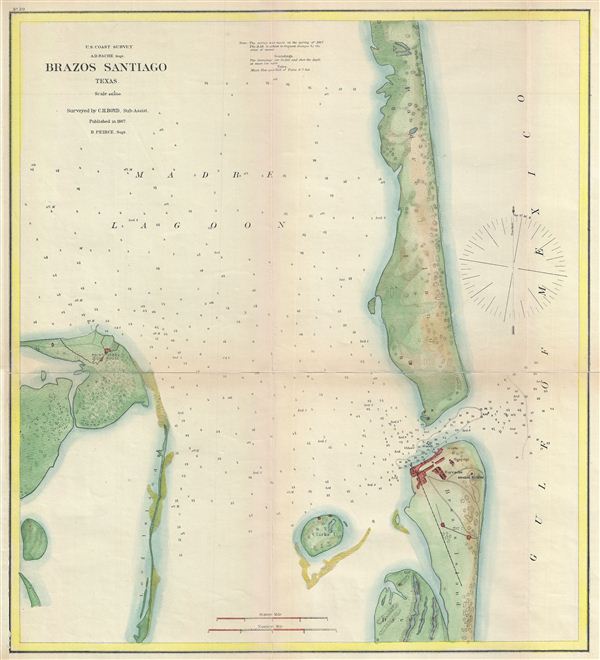
For merchants trading with the Rio Grande frontier, the greatest obstacle was not distance but geography.
The harbor serving Brownsville was Brazos Santiago, a narrow tidal pass between Brazos Island and Padre Island at the mouth of the Rio Grande. Unlike the deep harbors of New Orleans or New York, the entrance was blocked by constantly shifting sandbars. Ocean-going ships often could not cross the bar safely and were forced to anchor offshore.
Cargo therefore moved through a complicated system known as lightering. Smaller boats carried goods from anchored schooners across the shallow channel to landing points on Brazos Island. From there freight continued by boat or wagon to Brownsville several miles inland.
Storms frequently closed the pass, sandbars shifted without warning, and vessels sometimes grounded while attempting to cross. Even experienced captains approached Brazos Santiago cautiously.
Yet despite these difficulties, the harbor became the lifeline of the Rio Grande economy. Through this narrow and unpredictable channel passed the supplies that sustained both sides of the river frontier.

The Merchant Families of the Rio Grande Trade
The freight ledger for the schooner Florence reveals that the vessel was not sailing for a single merchant house. Instead, it carried goods for a network of traders operating in Brownsville and Matamoros.
Among the names recorded in the ledger are merchants such as:
C. A. Moore
F. J. Arispe
J. Traven
W. J. Dawson
J. R. Palacios
R. Ruiz
R. Fuentes
E. Chavarria
Lefevre & Co.
These merchants formed the commercial backbone of the Rio Grande frontier during the 1850s. Some were American traders based in Brownsville. Others were Mexican merchants operating in Matamoros, whose businesses extended deep into northern Mexico.
Together they created a cross-border commercial network that moved goods between New York manufacturers and the interior markets of Mexico.
Many of the surnames appearing in these ledgers still appear in the Rio Grande Valley today. The freight lists of ships like the Florence therefore represent more than cargo records — they are early snapshots of the merchant families who helped build the regional economy.
What the Crew of the Florence Ate on the Voyage
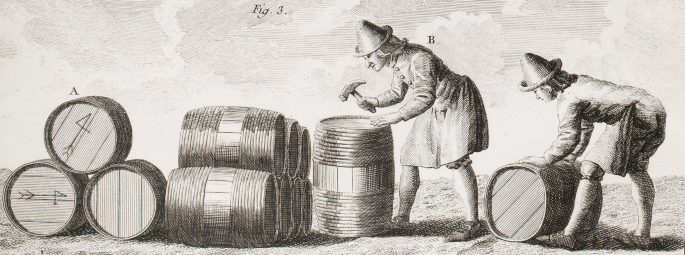
Before the schooner Florence sailed for the Rio Grande, her owners purchased a full supply of provisions from a ship-store merchant on South Street in New York.
The bill lists foods typical of long sea voyages:
barrels of bread (hardtack)
pork and salted beef
codfish
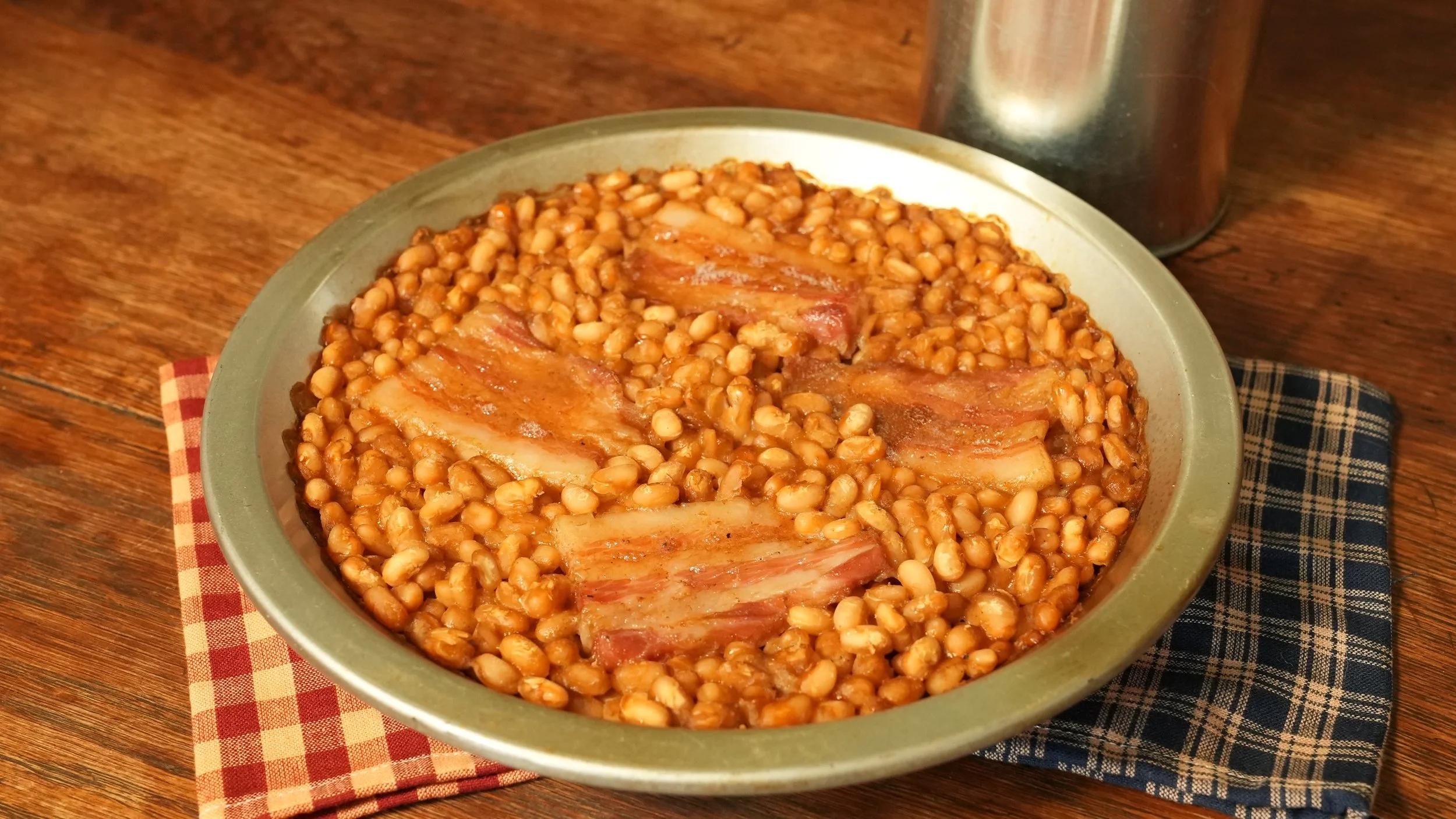
beans
butter
sugar
molasses
coffee
dried apples and peaches
raisins
spices
yeast powder
even bottled tomato catsup
These foods were chosen because they could survive weeks at sea without refrigeration. Salted meats and dried goods formed the backbone of the sailor’s diet, while molasses and coffee provided much-needed energy during long watches on deck.

From the quantities purchased, historians estimate the schooner likely carried seven to nine men, including the captain, mate, and crew.
For these sailors, the voyage to the Rio Grande meant weeks of hard labor under sail — hauling lines, handling cargo, and navigating Gulf storms. Their meals were simple but sustaining, and they were an essential part of the trading system that connected the distant frontier of the Rio Grande to the commercial markets of New York.


No comments:
Post a Comment