Showing posts with label Monterrey. Show all posts

2026/03/06

1850s The Rio Grande Trade Triangle

The Rio Grande Trade Triangle (1850s)

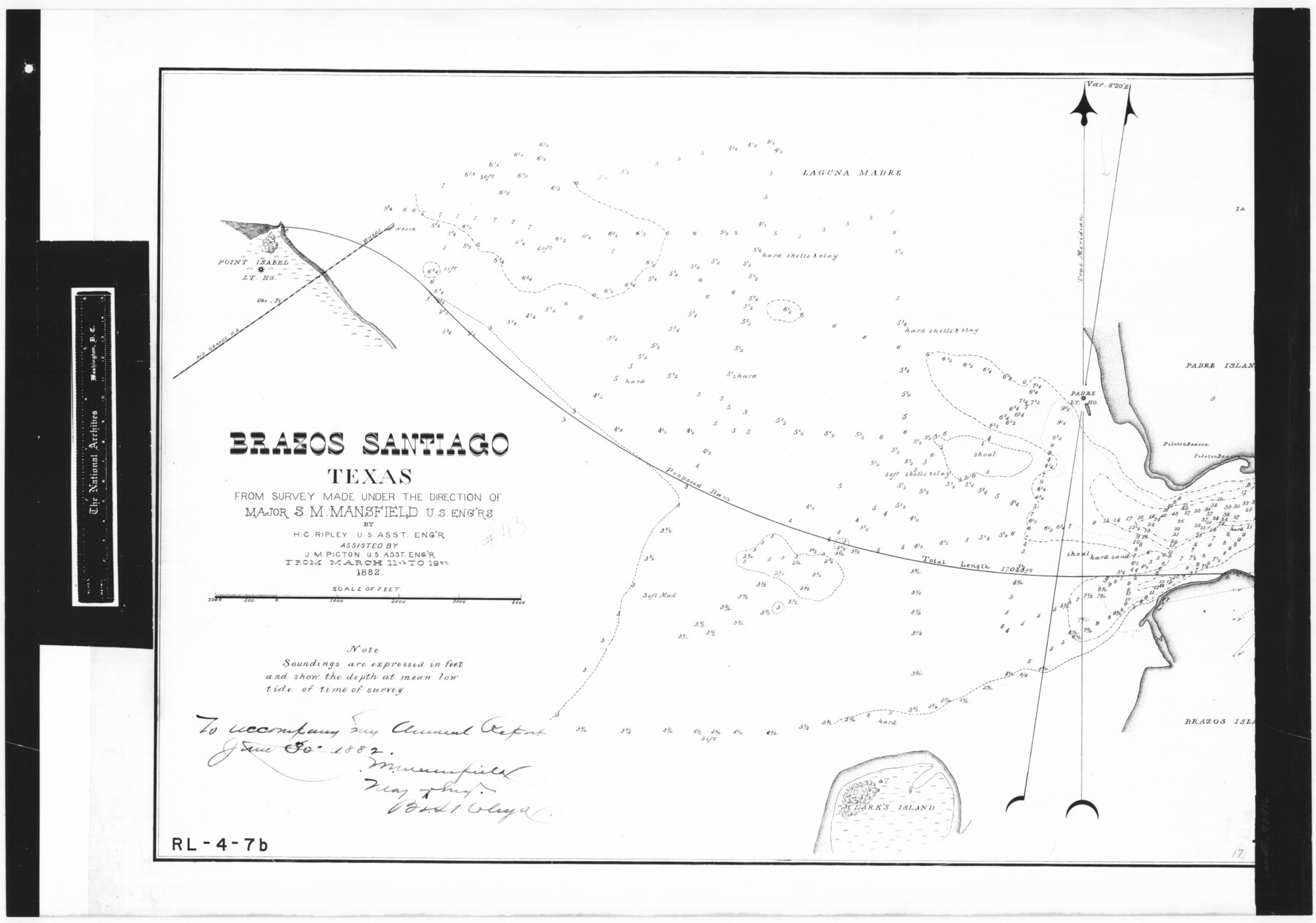
1. Brazos Santiago — The Ocean Gateway

In the early 1850s the Rio Grande economy revolved around a simple but powerful triangle. Ocean ships entered through Brazos Santiago, merchants handled the cargo at Brownsville and Matamoros, and mule trains carried the goods deep into northern Mexico to cities like Monterrey. At the center of this system stood Charles Stillman, quietly building the network that would later make him one of the most influential merchants on the frontier.

The Stillman letters quietly reveal something historians sometimes miss:

nearly all Rio Grande commerce in the early 1850s revolved around three geographic points.

Once you map them, you understand why Charles Stillman built his operations exactly where he did.

Image

Before deep-water ports existed in South Texas, Brazos Santiago Pass was the main entrance from the Gulf of Mexico.

Ocean-going vessels could not sail directly up the Rio Grande, so they:

  1. Anchored offshore at Brazos Santiago

  2. Offloaded cargo onto lighters or shallow-draft vessels

  3. Sent goods upriver to Brownsville and Matamoros

Image

This is why letters mention:

  • crossing the bar

  • storms near the mouth of the river

  • steamer transfers

Without Brazos Santiago, the entire trade system collapsed.
Image


2. Brownsville / Matamoros — The Commercial Hub

This twin-city zone became the financial and trading center of the region.

Here:

  • American merchants operated on the Brownsville side

  • Mexican merchants operated in Matamoros

Goods moved across the river constantly.

Merchants like Stillman handled:

  • import goods from the United States

  • export goods from Mexico

  • banking and credit

  • customs brokerage

  • freight forwarding

This is why so many letters in your collection are addressed simply to:

“Charles Stillman – Brownsville”

He was the node where everything passed through.


3. Monterrey — The Interior Market

Image

Monterrey was the largest commercial center in northern Mexico.

Merchants there purchased:

  • imported textiles

  • tools

  • manufactured goods

  • luxury items from Europe and the U.S.

But these goods reached Monterrey only through the Rio Grande route:

Ocean ships → Brazos Santiago → Brownsville/Matamoros → wagon trains → Monterrey.

Your Marín Pérez y Hermanos letter is a perfect example of this network in action.

Image


How the Triangle Worked

Think of it like this:

           MONTERREY
           (interior market)
                ▲
                │ mule trains / wagons
                │
BROWNSVILLE / MATAMOROS
 (merchant hub & finance)
                ▲
                │ river steamers / barges
                │
        BRAZOS SANTIAGO
        (ocean shipping)

Every shipment had to pass through all three points.


Why Brownsville Was Founded Exactly There

The location chosen by Stillman had three advantages:

1️⃣ Direct access to the Rio Grande navigation route
2️⃣ Close enough to Brazos Santiago for ocean trade
3️⃣ Positioned opposite Matamoros, Mexico’s existing commercial city

It was the perfect choke point for trade.


What the Stillman Letters Prove

Charles Stillman documents show each side of this triangle operating:

LetterNetwork shown
Phelps lettersGulf shipping and New Orleans trade
Felipe Peñaranch economy around Matamoros
Marín PérezMonterrey merchant remittances

Together they reveal the entire commercial ecosystem of the Rio Grande frontier.


What the letters and early records reveal is that Stillman’s dominance did not come from one shipment or one partnership. It came from one strategic decision he made right after the Mexican–American War.

That decision shaped the entire Rio Grande trade system.

When the Mexican–American War ended in 1848, the Rio Grande became an international border overnight. Many merchants stayed in Matamoros or moved to New Orleans. Charles Stillman chose a different strategy. He placed himself exactly where the two economies met. From that point forward nearly every shipment entering the Rio Grande trade triangle—by sea, river, or wagon—passed within reach of his warehouses in Brownsville.

The Decision That Made the Trade Triangle Work

(1848–1849)

After the war ended with the Treaty of Guadalupe Hidalgo, the Rio Grande suddenly became an international boundary.

Most merchants made one of two choices:

  • operate in Matamoros (Mexico)

  • operate in New Orleans (U.S. shipping center)

But Charles Stillman did something different.

He positioned himself exactly on the new border, at the site that became Brownsville.


Why This Was Brilliant

Stillman’s location allowed him to control all three flows of trade at once.

1️⃣ International trade (United States ↔ Mexico)

American goods:

  • textiles

  • tools

  • manufactured goods

arrived from New Orleans and were sold across the river in Matamoros and northern Mexico.

Mexican goods:

  • hides

  • silver

  • livestock

moved the opposite direction.

Because Stillman operated on the U.S. side, he controlled the American side of customs and finance.


2️⃣ River transport

Stillman placed his operations on the navigable section of the Rio Grande.

This allowed goods to move:

Brazos Santiago → river craft → Brownsville warehouses.

Merchants farther inland could not do this efficiently.


3️⃣ Cross-border finance

The 1850s letters posted tell us

Merchants in Monterrey and Matamoros:

  • remitted funds to Stillman

  • asked him to draw drafts

  • trusted him to negotiate payments

He essentially became a frontier banker.


The Overlooked Advantage

There was another factor that made this work.

Stillman arrived before a banking system existed in South Texas.

So merchants needed someone who could:

  • store specie

  • extend credit

  • handle drafts

  • pay freight

  • negotiate insurance

Stillman’s firm did all of this.


The Result

By the early 1850s Stillman had become the central commercial node in the region.

The triangle now worked like this:

Brazos Santiago → Brownsville → Monterrey

Every shipment passed through his orbit.

That’s why in many letters the address simply reads:

“Charles Stillman – Brownsville.”

No street.
No firm name.

Everyone in the trade network knew where that meant.


Why This Matters for Stillman Letters Series

Most popular history focuses on Stillman during the Civil War cotton trade.

But your letters show that the real story begins earlier.

By 1853, he already controlled:

  • shipping coordination

  • cross-border trade

  • financial remittances

  • ranch supply networks

The Civil War merely supercharged a system he had already built.

Long before cotton made Brownsville famous during the Civil War, three other commodities quietly sustained the Rio Grande trade. Tobacco from Kentucky, mule caravans from Texas ranch country, and hides from northern Mexico moved through Stillman’s warehouses year after year. These humble goods built the commercial network that later carried millions of dollars in cotton through the same frontier gateway.

The Three Commodities That Dominated Rio Grande Trade Before Cotton

1. Tobacco

One of the most surprising commodities in the early Stillman letters is tobacco.

Large quantities of tobacco moved through a chain that looked like this:

Kentucky → Mississippi River → New Orleans → Brazos Santiago → Brownsville / Matamoros → Monterrey and interior Mexico.

Why tobacco?

Northern Mexico had strong demand, and importing it through the Rio Grande was often cheaper than bringing it overland from Mexican ports.

The tobacco trade required:

  • ocean shipping

  • river transport

  • warehousing

  • cross-border credit

All services Stillman provided.

This trade helped establish his commercial network years before cotton profits appeared.

Several letters — particularly those written by J. H. Phelps — hint at the booming mule and horse trade.

2. Mules and Horses

These animals were essential for frontier commerce.

They powered:

  • freight wagons

  • pack trains into the Mexican interior

  • ranch operations

  • military logistics

Prices around $100 per mule were mentioned in the correspondence — a very substantial amount in the 1850s.

In many ways, the animal trade was the transportation infrastructure of the frontier economy.

Without mules, the Rio Grande trade triangle could not function.

3. Hides and Livestock Products

Ranchers on both sides of the Rio Grande produced large numbers of cattle.

Before the famous Texas cattle drives began, the most valuable export was often the hide rather than the meat.

Hides were used in the industrializing world to make:

  • leather goods

  • harness equipment

  • machinery belts

Merchants purchased hides from ranchers like Felipe Peña, consolidated them in border warehouses, and shipped them through Gulf ports.

This trade linked rural ranches to the international economy.


Why Cotton Later Took Over

By the late 1850s and especially during the Civil War, cotton exploded as the dominant commodity because:

  • southern ports were blockaded

  • Texas cotton could move through Mexico

  • European demand was enormous

But cotton did not create the trade network.

It simply flowed through a system that had already been built by earlier commodities.


What the Letters Really Show

The Stillman papers reveal an economy that depended on:

  • tobacco shipments from the United States

  • livestock and mule trade across Texas

  • hides and ranch products from northern Mexico

Together these trades created the financial and transportation networks that allowed Stillman to become the central merchant of the Rio Grande frontier.

2026/03/05

1850s - The Monterrey Trade Route

The Monterrey Trade Route

How Goods Traveled from Brownsville into Mexico

During the early 1850s the young city of Brownsville, Texas, sat at the mouth of one of the most important commercial corridors in northern Mexico. From the warehouses along the Rio Grande, goods moved hundreds of miles inland to the city of Monterrey, the commercial heart of northeastern Mexico.

The road linking these two places became known informally among merchants as the Monterrey trade route, and it played a central role in the business empire being built by Charles Stillman & Co.


From Ocean Ships to River Warehouses

Most goods entering the Rio Grande trade first arrived by sea.

Cargo ships sailed from ports such as:

  • New Orleans

  • New York

  • Liverpool

  • Havana

They anchored offshore at Brazos Santiago, the port at the mouth of the Rio Grande. Because the river bar was shallow and difficult to cross, cargo was transferred to lighter vessels and small river steamers.

From there, goods were carried upriver to Brownsville and Matamoros, where large warehouses stored merchandise awaiting distribution.

Stillman’s warehouses along the riverfront became one of the principal commercial depots for this trade.


Loading the Wagon Trains

Once goods reached the river towns, the next stage of the journey began.

Merchants loaded merchandise onto ox-drawn freight wagons, sometimes called carretas. These wagon trains traveled inland along dusty roads that followed the old Spanish colonial routes into northern Mexico.

Typical cargo included:

  • textiles and wool cloth

  • tools and hardware

  • manufactured goods

  • agricultural equipment

  • household items

These were products that were difficult or expensive to obtain in Mexico’s interior.


The Road Inland

The journey from the Rio Grande to Monterrey usually followed a route through several important towns:

Brownsville / Matamoros
↓
Camargo
↓
Mier
↓
China
↓
Monterrey

Depending on weather and road conditions, the trip could take one to two weeks.

Travel was rarely easy.

Wagons had to cross rivers, navigate rough terrain, and guard against theft or bandit attacks. Freight trains often traveled in groups for protection.


The Role of Local Agents

Merchants rarely handled these shipments personally.

Instead, they relied on local agents and correspondents along the route.

These agents included figures such as:

  • Jesús de Lira in Matamoros

  • Bruno Lozano in Rio Grande City

  • Lorenzo Oliver in Monterrey

Their responsibilities included:

• receiving shipments
• selling goods in local markets
• collecting payments
• reporting problems back to Stillman

Letters preserved in the Stillman Papers show how frequently these merchants wrote to Brownsville to report sales, disputes, and damaged shipments.


Monterrey: The Inland Market

By the mid-19th century, Monterrey had become one of the most important commercial centers in northern Mexico.

Goods arriving there were redistributed to markets across the region, including:

  • Saltillo

  • Zacatecas

  • San Luis Potosí

  • the mining districts of northern Mexico

Through Monterrey, merchandise from the United States and Europe reached customers hundreds of miles from the Rio Grande.


A Two-Way Trade

The flow of goods did not move only south.

The return wagons carried valuable frontier products northward, including:

  • cattle hides

  • wool

  • livestock

  • agricultural goods

These were then shipped through the Rio Grande ports to markets in New Orleans and beyond.

In this way the Monterrey route connected northern Mexico to the global economy.


The Backbone of the Rio Grande Economy

For merchants like Charles Stillman, the Monterrey trade route was more than a road.

It was the backbone of an international commercial network stretching from European factories to the ranchlands and mining towns of northern Mexico.

Every wagon that left the river carried not only merchandise, but also credit, trust, and the hopes of profit that sustained the frontier economy.

And every letter sent back along that road — like those preserved in the Stillman Papers — tells a small part of the story.


📜 What Was the Monterrey Fair? (And Why It Mattered)

In the mid-19th century, references to the “Monterrey Fair” or similar regional fairs do not refer to entertainment events in the modern sense. These were major commercial gatherings, essential to the functioning of trade across northern Mexico and the Rio Grande frontier.

At set times of the year, merchants, transporters, and buyers from across the region—including Texas, Tamaulipas, Nuevo León, and deeper interior states such as San Luis Potosí—converged on cities like Monterrey. These fairs operated as temporary but highly concentrated markets where large volumes of goods were bought, sold, exchanged, and redistributed.

For frontier merchants like Charles Stillman, the fairs served several critical purposes:

  • Bulk Distribution Points
    Goods imported through ports like Brazos Santiago and moved through Brownsville/Matamoros were sent inland in large quantities to be sold at fairs. Rather than selling piecemeal, merchants could dispose of entire cargos at once.

  • Price Discovery and Market Clearing
    Fairs established prevailing prices for goods across a wide region. Merchants learned what would sell, at what rate, and in what quantity.

  • Credit Settlement
    Many transactions were conducted on credit. Fairs provided opportunities to settle accounts, negotiate terms, and extend new lines of credit.

  • Logistics Coordination
    Mule trains and wagon caravans were timed to arrive for these events. Goods moved in organized cycles tied directly to fair schedules.

  • Access to Interior Markets
    Buyers from distant inland regions attended fairs, allowing coastal and border merchants to reach markets hundreds of miles away without maintaining permanent stores in every location.

Because of this, timing was critical. As seen in Stillman’s letters, late arrivals could mean missing the fair entirely—resulting in delayed sales, tied-up capital, and disrupted trade for months.

In short, these fairs were not peripheral events. They were central nodes in the commercial system, linking international shipping routes to inland consumption across Mexico.

2026/03/04

Charles Stillman papers March 1853 — Specie, Contracts, and Carvajal

Where the River Meets the Ledger

March 1853 — Specie, Contracts, and Carvajal

March opened with courtesy and confidence.

From Monterrey on the 1st, José Morell wrote to Charles Stillman introducing a young merchant—Don Fernando de la Garza—“safe to deal with,” a native of their city, traveling north. It was the language of expanding networks. Letters of introduction. Credit extended through reputation. Commerce moving easily between Monterrey, Brownsville, New Orleans, and beyond.

But by month’s end, specie would be counted out under armed threat in Reynosa.

March 1853 did not undo the system. It revealed how exposed it was.


I. A Firm Hide Market

On paper, March was strong.

From New Orleans, Southmayd & Harrison reported firmness:

  • Prime hides holding near the top of the market.

  • Large lots difficult to secure.

  • First drafts averaging over forty pounds.

  • Heavy hides bringing premium prices.

  • Salt hides offered around fourteen to fifteen cents.

  • Claret firm at nineteen.

The language was confident. Quality mattered. Weight mattered. Buyers were selective, but the market held.

Compared to January’s caution and February’s tactical positioning, March showed maturity. Stillman’s Gulf circuit was functioning: interior hides gathered at Brownsville, shipped to New Orleans, sorted, weighed, and placed into Atlantic channels.

On the surface, the machine was steady.


II. Cotton and the Mathematics of Friction

Yet another letter from March reveals a different kind of pressure.

Clinton DeWitt & Co. wrote regarding a cotton contract dispute—twenty-five bales held at ten cents, with a claimed differential of three cents. Advances had been made to teamsters. Delivery faltered. Settlement would be made in specie, with interest and bank charges accounted for.

Three cents per pound is not trivial in a tight market.

This was not panic. It was enforcement. But it shows something important: margins were no longer generous enough to absorb slippage quietly. Contracts were being examined line by line. Payment in coin was preferred to paper.

March begins to lean toward hard settlement.


III. The Preference for Metal

Throughout the month, specie appears repeatedly.

Morell inquired whether a $170 bill had been paid and requested confirmation. Other drafts circulated, but there is a subtle tightening in tone. When forced to settle, men wanted coin—or very short notes.

Paper remained useful. But metal meant certainty.

And in a frontier economy stretched between Brownsville and Monterrey, certainty was worth something.


IV. Rumors on the River

From Monterrey and the lower Rio Grande came rumors: Carvajal [José María Jesús Carbajal] crossing again. Forces gathering. Bands of men in the vicinity of Reynosa.

Stillman’s correspondents did not dramatize it. They noted it.

March markets in the interior were described as “going down.” Business was “dull.” Not alarming—just slower. A lack of “good appointments in town.” Prices fair, but weakening.

The system could absorb softness.

What it could not easily absorb was coercion.


V. March 28 — The Outrage at Reynosa

E.C. Smith’s letter from the 28th breaks the rhythm of commerce.

A party of Carvajal’s men appeared near Reynosa and demanded a large sum of money. Eleven o’clock in the morning, a son arrived to borrow funds—his father imprisoned. Smith raised what he could—over four thousand dollars. More was demanded.

He offered a draft. It was refused.

A twenty-day note was accepted instead.

The money was raised under duress. Violent threats were made. Garcia, later pursued, was killed in the encounter.

This was not market fluctuation.

This was liquidity extracted at gunpoint.

Over four thousand dollars pulled suddenly from circulation in a frontier town is not a small disturbance. It disrupts trust. It disturbs credit chains. It forces immediate recalculation.

And it occurred within the same month that New Orleans was reporting firm hide prices and orderly shipments.


VI. Two Economies, One Nerve

March shows clearly what the Rio Grande economy was by 1853:

It was global and it was fragile.

On one side:

  • Liverpool and Manchester.

  • Bremen shipments.

  • Weighted hide lots.

  • Drafts cleared and averaged.

  • Quality differentials calculated to the ounce.

On the other:

  • Armed bands crossing the river.

  • Forced payments.

  • Emergency notes.

  • Requests for U.S. military presence.

  • Warnings that retaliation might fall “on our devoted heads.”

The river connected these worlds. It did not separate them.


VII. Stillman’s Position

Where is Charles Stillman in this?

He sits at the junction.

In March he is:

  • Receiving introductions for rising Monterrey merchants.

  • Monitoring cotton disputes.

  • Managing hide consignments at high prices.

  • Tracking draft payments.

  • Absorbing news of violence across the river.

  • Watching interior markets soften.

  • And likely calculating how much exposure he carries to each current.

The machinery of trade continues. No collapse follows the Reynosa outrage. No immediate panic ripples through the correspondence.

But March marks a shift.

After March 28, no letter can be read as purely commercial.


VIII. The End of the Month

On March 31, Morell writes quietly from Monterrey:

He has heard nothing from the mine. He asks whether a bill has been paid. He has “nothing new to communicate for the present.”

It is almost understated.

Yet beneath that calm lies a month in which:

  • Contracts tightened.

  • Specie was preferred.

  • Interior markets softened.

  • And armed men forced over four thousand dollars from a border town.

March 1853 did not break the system.

It tested it.

The hides still moved.
The drafts still cleared.
The letters still crossed the river.

But now everyone knew—commerce on the Rio Grande rested not only on prices and paper, but on force, reputation, and the thin assurance that tomorrow’s road would still be passable.

And that assurance was never guaranteed.


The $4,118 Incident Explained

Reynosa, March 28, 1853

Late in March 1853, a party of men associated with José María Jesús Carvajal crossed into the vicinity of Reynosa and demanded money from prominent residents.

According to E.C. Smith’s letter of March 28:

  • Juan García was seized.

  • Armed men demanded a large payment.

  • Approximately $4,118 was raised immediately in cash.

  • Additional sums were demanded.

  • A 20-day promissory note was accepted under pressure.

  • A draft was refused.

  • Violent threats were made.

  • García was later killed in a pursuit skirmish.

Why This Matters

This was not merely a local disturbance.

Four thousand dollars in 1853 represented a substantial amount of circulating capital in a small border town. When that much specie is suddenly removed:

  • Local liquidity tightens.

  • Credit becomes cautious.

  • Short-term notes replace long paper.

  • Merchants reconsider exposure.

  • Trust becomes fragile.

In March 1853, this coercive extraction occurred at the same moment:

  • Hide prices were firm in New Orleans.

  • Cotton contracts were under dispute.

  • Interior markets were softening.

  • Specie was already preferred over drafts.

The incident did not collapse trade — but it revealed how dependent frontier commerce was on physical security.

A Border Economy Reality

The Rio Grande trade network connected:

  • Monterrey’s mines,

  • Brownsville’s warehouses,

  • New Orleans commission houses,

  • And Liverpool markets.

But it also ran through towns vulnerable to armed bands and political instability.

The $4,118 incident is a reminder that the “ledger” and the “frontier” were never separate.

In March 1853, they met.


📊 MARCH 1853 — COMPLETE LEDGER TABLE


I. HIDES — Pricing & Market Movement

DateQuantityGradePriceNotes
Mar 9Good hidesPrime~$12.00 floor“Cannot find less than $12” (large lots)
Mar 24500 Salted HidesAvg 40 lbsDraft avg. 40 lbsFirst drafts pleased
Mar 241000 Hides (Minna Schiffer)32–33 lbs12¾¢ (all round)High price
Mar 2935 Boxes ClaretHeld19¢ floorBuyers refused at lower
Mar 29Salt hides14½¢ askedPossibly 15¢ firm
Mar 29ProduceDroppingCaution noted

Market Tone:

  • Prime hides strong.

  • Weight differentiation matters (40 lb vs 32 lb).

  • Supply selective.

  • Southern produce weakening.

  • Claret firm at 19.

  • Salt hides ~14–15¢ range.


II. COTTON & CONTRACT STRESS

IssueDetail
Clinton DeWitt contract25 bales dispute
Held at10¢
Claimed differential3¢
SettlementSpecie preferred
Interest & chargesPaid

Margin compression confirmed.


III. SPECIE & DRAFTS

DateAmountInstrument
Mar 21$170Drake receipt inquiry
Mar 28$4,118Cash raised under duress
Mar 28$580Draft offered
Mar 2820-day noteForced acceptance
Mar 3–19Multiple draftsMonterrey → Brownsville
Mar 31Credit confirmation requestRamon Sanez bill

March clearly shifts toward:

  • Hard specie.

  • Short notes (20 days).

  • Reluctance to accept drafts under duress.


IV. THE REYNOSA OUTRAGE (March 28 — E.C. Smith)

This is not merely anecdotal — it is financially material.

Event:

  • Party of Carvajal men.

  • Demanded $4,000.

  • Garcia imprisoned.

  • Money forcibly raised.

  • U.S. consul notified.

  • Garcia killed in pursuit.

  • Threat of retaliation.

Financial Impact:

  • $4,118 raised immediately.

  • Forced 20-day note.

  • Potential default exposure.

  • Risk of broader instability.

This is a liquidity shock event.


V. MINING STATUS (Morell)

DateNote
Mar 3Letters of introduction issued
Mar 21Safe to deal with agents
Mar 31Quiet — awaiting news
RumorsCarvajal crossing
PricesInterior markets “going down”

Mine operational.
Interior markets softening.
Security concerns rising.


📈 MARCH SUMMARY — STRUCTURAL SHIFT

SectorStatus
HidesStrong but selective
CottonContract stress
SpeciePreferred over paper
MiningOperational but exposed
FrontierPolitically unstable
ProduceSoftening
LiquidityUnder pressure late month

March is the first month where:

Financial stress and political violence intersect directly.


🗺 UPDATED COMMODITY FLOW MAP (March 1853)

March adds instability to the system.


1️⃣ Hide Flow (Strong but Selective)

Interior Ranchers
        ↓
Brownsville Aggregation
        ↓
New Orleans (12–15¢ range)
        ↓
Liverpool / Domestic Markets

Margin healthy — if uninterrupted.


2️⃣ Cotton Disruption Flow

Planter
   ↓
Advance
   ↓
Delivery Failure
   ↓
Held at 10¢
   ↓
Specie Settlement

Credit tightening.


3️⃣ Mining Capital Circuit (Now Exposed to Violence)

Mine
   ↓
Bullion
   ↓
Camargo Route
   ↓
Brownsville
   ↓
Draft / Specie

Carvajal raids threaten this route.


4️⃣ Shock Circuit (March 28 Event)

Carvajal Party
     ↓
Reynosa Seizure
     ↓
$4,118 Forced Liquidity Event
     ↓
20-Day Note Exposure
     ↓
U.S. Diplomatic Risk

This is a systemic vulnerability.


🔎 Comparative Quarter View (Jan–Mar 1853)

MonthTone
JanuaryTight but orderly
FebruaryConsolidation
MarchConsolidation + Shock

March ends with:

  • Strong hide pricing.

  • Weakening interior markets.

  • Specie preference.

  • Political instability.

  • Contract enforcement tension.

This is not collapse.

But the system is now exposed.